



OFF THE SHELF: SEPTEMBER 2026
100 YEARS SINCE TUTANKHAMUN UNWRAPPED

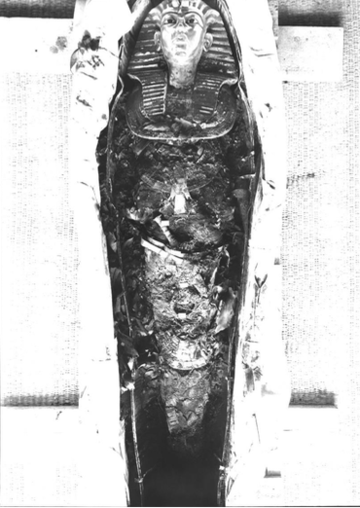
November 2025 marks exactly a century since Howard Carter and his team unwrapped the tomb of Tutankhamun (pictured, right). Such is the importance of the landmark that the Griffith Institute at Oxford has, exactly a century later, launched a new database bringing together every archaeological record from the tomb’s discovery.
Discovered in November 1922, Tutankhamun’s largely intact burial captured the world’s imagination and transformed archaeology. Over the next decade, excavator Howard Carter and photographer Harry Burton meticulously documented the tomb’s more than 5,000 objects, creating one of the most detailed archaeological archives ever assembled.
The collection includes thousands of photographs and object cards, hundreds of drawings and notebook pages filled with observations, conservation notes and scientific analyses, as well as more than 50 maps and plans.
Among the most significant events was the nine-day process between 11 and 19 November 1925, marking the first systematic unwrapping of a pharaoh’s intact mummy. More than 100 objects were revealed within the linen bandages, and Carter’s careful documentation set new standards for archaeological recording, conservation and scientific study.
Following Carter’s death in 1939, this unique archive was donated to the Griffith Institute, the centre for Egyptology at the University of Oxford and home to the most significant Egyptological archive outside Egypt.
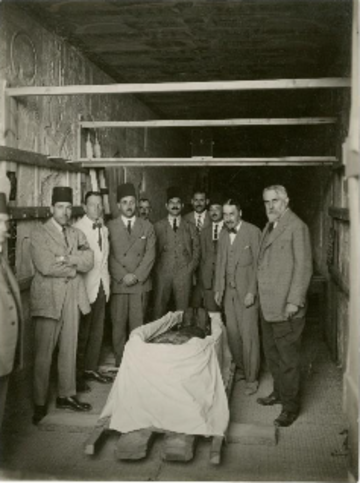
Beyond shedding light on Tutankhamun’s burial, these records offer an extraordinary insight into early 20th-century excavation methods and the development of archaeological practice itself.
Although digitised and made publicly accessible between 1998-2012, the original online resource had significant limitations: the records were not interconnected or searchable, and the images were only available in low resolution.
Supported by the John Fell Fund and developed in collaboration with Agile Collective, the Griffith Institute is in the process of developing a fully integrated and searchable database that interlinks every record, enabling users to explore the material in new and dynamic ways.
To mark the centenary of the unwrapping, the Griffith Institute is releasing the beta phase of the new Tutankhamun Spatial Archive, featuring all records created during the 1925 unwrapping and examination of Tutankhamun’s mummy.
The Griffith Institute invites all alumni to explore the new Tutankhamun Spatial Archive, share feedback, and rediscover the fascinating story of the young king’s unwrapping a century on.
The Griffith Institute team will continue uploading new material weekly, aiming to complete the process over the next two years.
move to carousel movement controls
 Pause slideshow
move to carousel content
Pause slideshow
move to carousel content

ELLA BARON
ELLA BARON

THE IMPORTANCE OF VACCINE ADVOCACY
THE IMPORTANCE OF VACCINE ADVOCACY
SILICON VALLEY CAREER TALK
SILICON VALLEY CAREER TALK

DEGREES WORTH IT AFTER ALL
DEGREES WORTH IT AFTER ALL

OFF THE SHELF: AUGUST 2026
OFF THE SHELF: AUGUST 2026
THE RISE OF BACTERIAL RESISTANCE FROM POULTRY FARMS
THE RISE OF BACTERIAL RESISTANCE FROM POULTRY FARMS
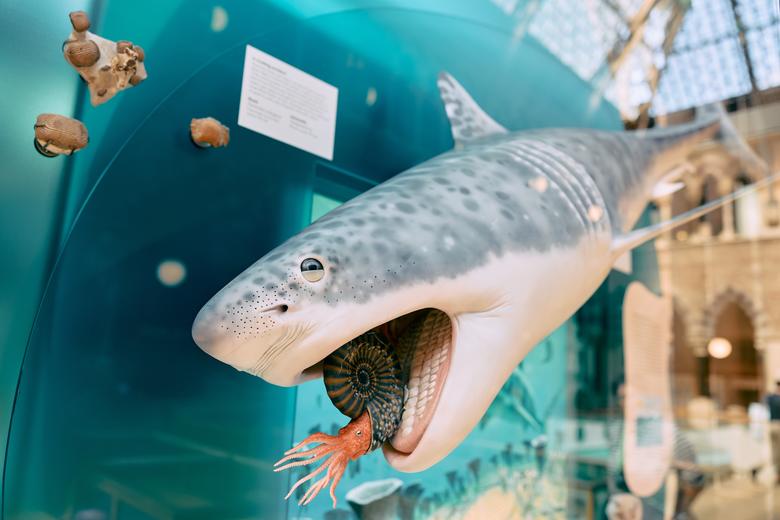
NATURAL HISTORY AT OXFORD REVAMPED
NATURAL HISTORY AT OXFORD REVAMPED

OFF THE SHELF: JULY 2026
OFF THE SHELF: JULY 2026
MALACHI MCINTOSH
MALACHI MCINTOSH
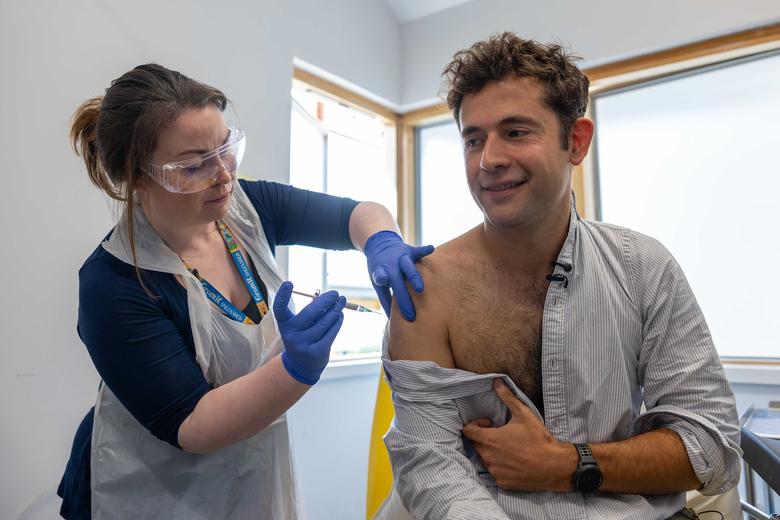
EBOLA: FIRST VACCINATION
EBOLA: FIRST VACCINATION
GRAPPLING WITH THE GHOSTS OF CARIBBEAN COLONIALISM
GRAPPLING WITH THE GHOSTS OF CARIBBEAN COLONIALISM
Pause slideshow

