



HOLLY ELLIS
30 YEARS OF THE THAMES PATH
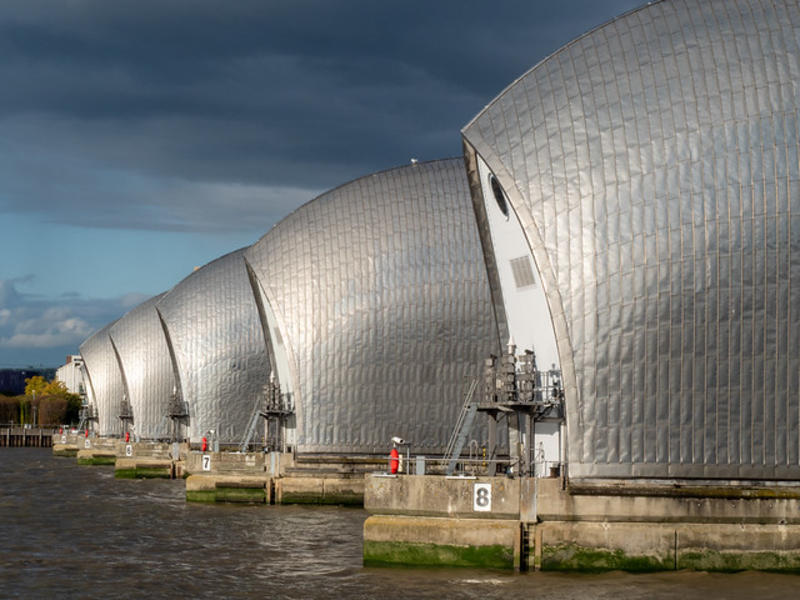
Poet in residence for the River Thames in 2026, Robert Seatter (Lincoln, 1975) wonders aloud what the River Thames would mean to us all were it to cease to exist. Based on numerous conversations he has conducted, rather a lot…
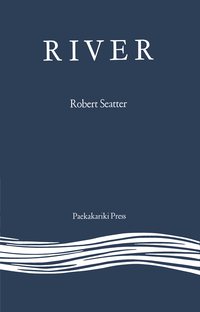
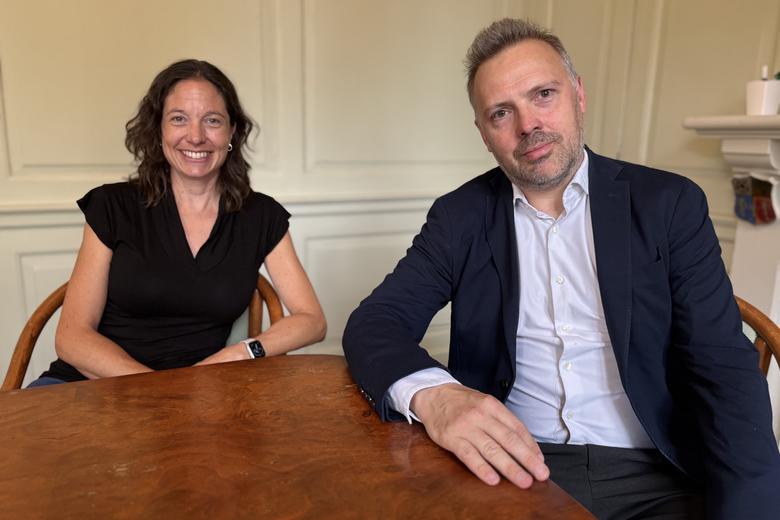
Collaborating with artist Jessica Palmer, he has put this question at the heart of a new poetry collection coming out on 2 June (from dedicated letterpress publisher Paekakariki Press). It celebrates 30 key locations along its course, chiming with the anniversary moment, and it’s called simply River (right).
‘But it’s not a sort of rhyming guide book!’ he says, laughing. ‘What I was interested in exploring was what the river means to us. And the real revelation of this project has been discovering how deeply people feel about the river – whether as walker, swimmer, rower, angler, or just someone who lives near it. The Thames really has a magnetic pull in our lives. When I spoke to someone about the river, within a minute they were telling me everything about their whole life. River slips imperceptibly, easily, directly into metaphor… unknown, unknowable, watery known.
‘But it’s not a pastoral idyll. It’s real. The poems tackle too the contemporary anger at the river’s ruination, as well as the river as a dark and sinister force. "The river needs respect," one of my interviewees told me. And approximately 30 people a year lose their lives on the river, so it remains a dark and precarious force of nature, a reminder that not everything is within our control.
‘Above all, I wanted revelation in the poetry – so even where I have tackled famous locations such as Richmond or Windsor I have tried to cast them in a new light. At a key point in the year, for example, the river at Richmond is drained or ‘drawn off’ so you can literally walk across the river bed – like a sort of contemporary Jesus, tasting the stopped rush of it in the hollow of our mouth. Likewise, not many people know that the river at Windsor is a common site for Hindu water burials, and so it links to the rivers of the world: I find her everywhere, says the speaker of the Windsor poem, as he casts the ashes into the flowing water.
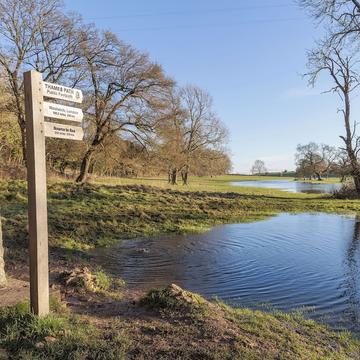
‘The poems evoke the enduring fascination of river, in particular the power of nature to take us somewhere else, nowhere embodied more expressively than in a river – which literally takes us on a journey. At Barnes Wetlands Centre I learned about the migratory journey of the arctic tern which travels an extraordinary 25,000 miles every year, almost forgetful of wings, breaking its journey at this river haven.
‘There will be words too about activity, about walking and running, wild swimming, the camaraderie of rowing, the sedate mystery of angling. Walkers spoke of the footpath almost as pilgrims do: that sense of a destination and a rhythm of steps, to listen to heart, gut, the stranger body.
‘And words about history and myth, the river as time, transporting us back to other moments which are still connected to us through the flow of water. The fragmentary finds of mudlarks, a broken piece of this moment, this river, this world, palaces like Hampton Court, their glittering comings and goings, or rivers of memory evoked in the children’s classic Wind in the Willows, its story tinged with real-life tragedy.’
Finally, the poems live outside the mere covers of a book. You can find them along the 200-mile route of the Thames on the finger posts of the Thames Path, accessible via QR code (and you can hear Seatter’s voice speaking them too). And all through the month of June, everyone can join the celebration of the Thames Path by walking it as part of a source to sea relay. See Thames Path - 30th Anniversary - National Trails for further information. And later in September, the Thames Festival will take up the theme too in its annual celebration of all things London and Thames.
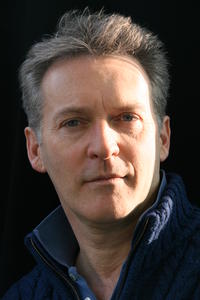
Living now in Brightwell-cum-Sotwell, a village near Wallingford, Seatter (left) recalls his first encounter with the river at his primary school in Kingston-upon-Thames. ‘I was aged ten. My teacher came in and pronounced, "The Hogsmill River is in spate!" This is a nearby tributary of the Thames which ran at the bottom of our school playground. These words had a transforming effect on me – so the river was mercurial, changeable, and it had its own language! And so many of us have a moment like that – which begins our personal river history.’
Recently poet in residence at the Sir John Soane’s Museum in London, and William Morris’s Kelmscott Manor in Oxfordshire, Robert has developed a passion for poetry and placemaking – using the power of poetry to bring to life places, spaces and object collections. He has combined his writing activities with a long and illustrious career at the BBC that included stints at BBC World Service, BBC Education, BBC Worldwide (the commercial wing of the BBC), and latterly as the head of BBC History, writing the centenary history of the corporation in 2022.
He started his career after a degree in English literature and language at Lincoln as a teacher abroad in Italy and France, followed by stints in publishing at Cambridge University Press and Oxford University Press.
And there’s an opportunity for us to join in too. Throughout this year, Seatter is collecting public responses to the Thames, to create a community poem in the autumn. So if you would like to be a part of this, simple send him three words that evoke the river to you, or a short message for the river, or your most vivid memory of it. Send to robertseatter@hotmail.com.
The River Thames belongs to all of us – so let’s celebrate its place in our lives, its past, present and future.
move to carousel movement controls
 Pause slideshow
move to carousel content
Pause slideshow
move to carousel content
OXFORD'S NEW DEGREE
OXFORD'S NEW DEGREE
SARAH RUDEBECK
SARAH RUDEBECK
OFF THE SHELF: SEPTEMBER 2026
OFF THE SHELF: SEPTEMBER 2026
ELLA BARON
ELLA BARON

THE IMPORTANCE OF VACCINE ADVOCACY
THE IMPORTANCE OF VACCINE ADVOCACY
SILICON VALLEY CAREER TALK
SILICON VALLEY CAREER TALK

DEGREES WORTH IT AFTER ALL
DEGREES WORTH IT AFTER ALL

OFF THE SHELF: AUGUST 2026
OFF THE SHELF: AUGUST 2026
THE RISE OF BACTERIAL RESISTANCE FROM POULTRY FARMS
THE RISE OF BACTERIAL RESISTANCE FROM POULTRY FARMS
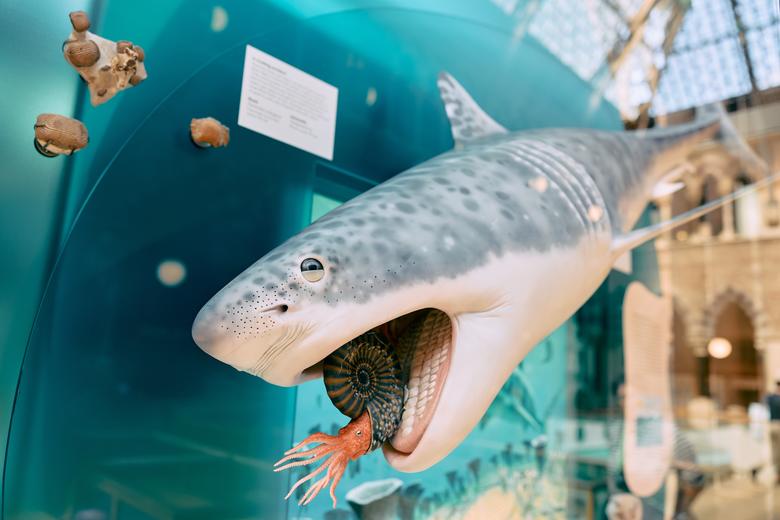
NATURAL HISTORY AT OXFORD REVAMPED
NATURAL HISTORY AT OXFORD REVAMPED
OFF THE SHELF: JULY 2026
OFF THE SHELF: JULY 2026
Pause slideshow

