



OXFORD'S NEW DEGREE
ANCIENT SHRINE HONEY IDENTIFIED
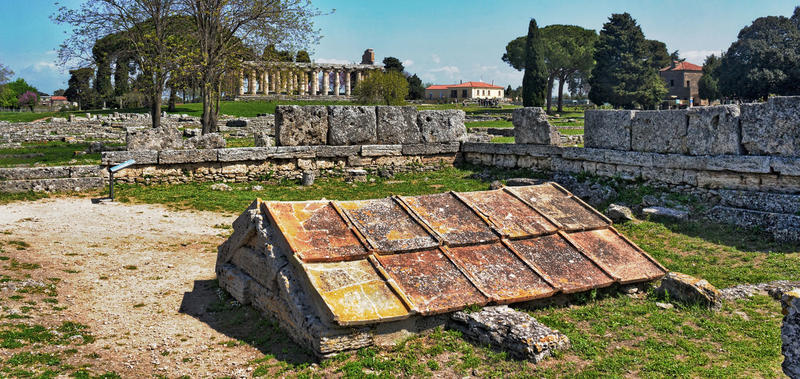
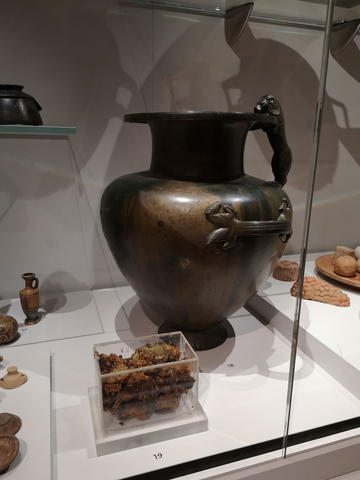
Researchers in the University of Oxford’s Department of Chemistry have solved a decades-old archaeological puzzle by re-investigating the molecular composition of an intriguing residue found in bronze jars excavated from a 6th century BCE Greek shrine in Paestum, southern Italy. Published last week in the Journal of the American Chemical Society, the study presents the first biomolecular evidence that the residue once contained honey, likely in the form of honeycomb.
This research is a reminder that archaeological collections hold untapped scientific potential, and of how new information can be revealed when modern analytical techniques and multidisciplinary collaborations are combined.
The underground shrine, about an hour and a half’s drive away from Pompeii, was originally discovered in 1954 and included several bronze jars containing an orange-brown sticky substance. At the time, archaeologists assumed the residue was honey, since this was an important substance in the ancient world, often left in shrines as offerings to the gods or buried alongside the dead. However, over the course of 30 years, three different teams analysed the residue but failed to confirm the presence of honey. Instead, they concluded that the jars contained some sort of animal or vegetable fat contaminated with pollen and insect parts.
In this new study, the researchers used a suite of modern analytical techniques, including mass spectrometry for proteins and small molecule compositional analysis, to determine its molecular makeup. This integrated approach enabled the identification of sugars, organic acids, and royal jelly proteins that would have remained undetected using a single method. The results demonstrated that the ancient residue had a near-identical chemical fingerprint to modern beeswax and similar to modern honey.
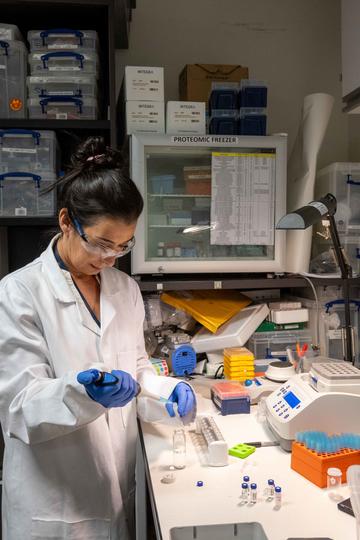
Project co-lead Dr Luciana da Costa Carvalho, Department of Chemistry said, 'This research is a reminder that archaeological collections hold untapped scientific potential and how new information can be revealed when modern analytical techniques and multidisciplinary collaborations are combined.'
Professor James McCullagh, Director of Oxford’s Mass Spectrometry Research Facility in the Department of Chemistry also project co-lead, said: ‘The application of multiple analytical techniques was key to the success of this study. By applying several mass spectrometry and spectroscopic approaches we were able to reveal a comprehensive picture of the residue’s molecular composition – enabling us to distinguish between contaminants, degradation products and original biomarkers.’
The study was made possible due to a close partnership between the University of Oxford’s Ashmolean Museum and the Archaeological Park of Pompeii. Dr Kelly Domoney, Heritage Science Manager at the Ashmolean Museum who co-led the study, explained: ‘In preparation for the exhibition “Last Supper in Pompeii” at the Ashmolean Museum in 2019, our colleagues at the Archaeological Park of Paestum and Velia generously made several important and high-profile loans, including a Greek bronze hydria from the Heroon [the underground shrine in Paestum] and its organic contents. We were permitted a unique opportunity to re-analyse those contents using modern instrumentation at the University.’
The authors hope this work will inspire further re-analysis of legacy materials, especially those held in museum collections where sampling is limited and earlier tests proved inconclusive.
move to carousel movement controls
 Pause slideshow
move to carousel content
Pause slideshow
move to carousel content

SARAH RUDEBECK
SARAH RUDEBECK

OFF THE SHELF: SEPTEMBER 2026
OFF THE SHELF: SEPTEMBER 2026

ELLA BARON
ELLA BARON

THE IMPORTANCE OF VACCINE ADVOCACY
THE IMPORTANCE OF VACCINE ADVOCACY

SILICON VALLEY CAREER TALK
SILICON VALLEY CAREER TALK

DEGREES WORTH IT AFTER ALL
DEGREES WORTH IT AFTER ALL

OFF THE SHELF: AUGUST 2026
OFF THE SHELF: AUGUST 2026
THE RISE OF BACTERIAL RESISTANCE FROM POULTRY FARMS
THE RISE OF BACTERIAL RESISTANCE FROM POULTRY FARMS
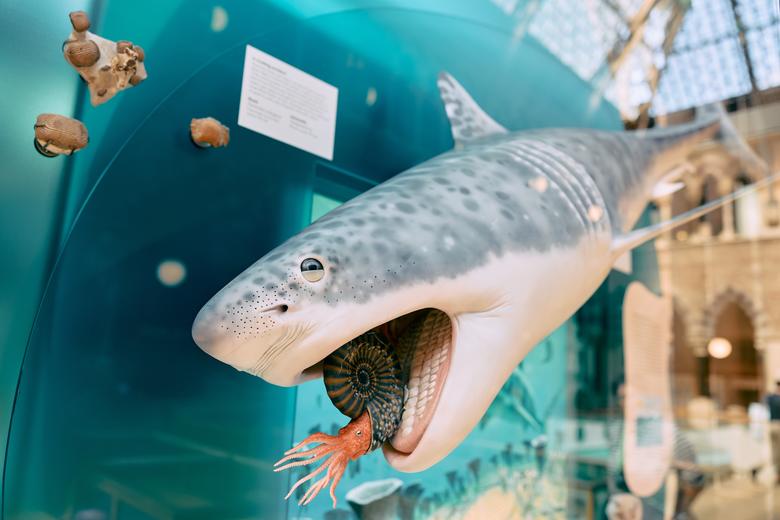
NATURAL HISTORY AT OXFORD REVAMPED
NATURAL HISTORY AT OXFORD REVAMPED

OFF THE SHELF: JULY 2026
OFF THE SHELF: JULY 2026

MALACHI MCINTOSH
MALACHI MCINTOSH
Pause slideshow

