

CYCLE TO WORK POLICY THOUGHTS
The UK’s Cycle to Work Day, 7 August, prompts some insights from Oxford’s Dr Zakiyya Adam
Published: 7 August 2025
Dr Zakiyya Adam
Share this article
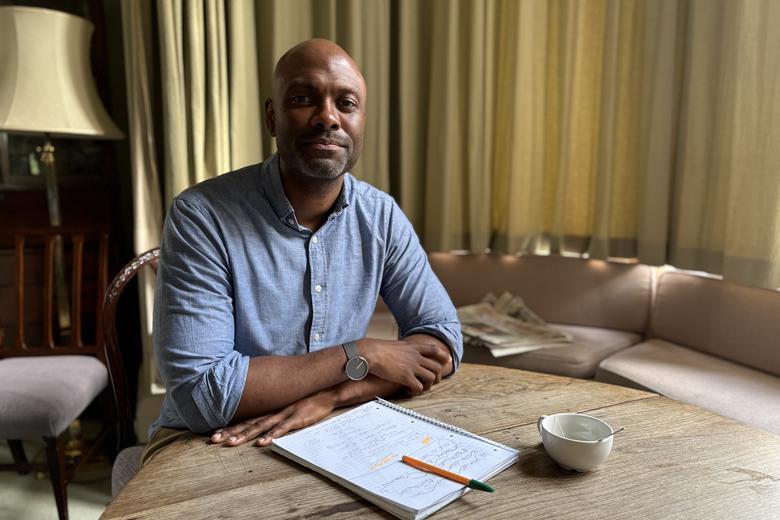
Dr Zakiyya Adam is a Research Associate at the Transport Studies Unit within the University of Oxford’s School of Geography and the Environment, and here shares some insights from Oxford research across European cities on how to succeed at cycling.
Cycling should be a viable, safe, affordable and accessible option for all. It lowers personal travel costs, helps to cut carbon emissions, reduces inner city travel time and has proven mental and physical health benefits.
When a city provides only cycle lanes, this comes with the implicit belief that individuals can attain a bike without any financial aid, are confident in their cycling proficiency, and that they have a secure location at which to store their bike.
This is not the case for many, especially those from lower socioeconomic backgrounds.
Truly inclusive policy should strive to remove barriers to cycling – both objective and perceived – for all segments of society.
Likewise, cycling provisions should not only focus on individuals; cargo bikes make it possible for businesses to swap out their car or van trips and for children to be transported around as passengers. To encourage this use, the larger profile and heavier frame of e-cargo bikes needs to be accounted for when designing cycle infrastructure.
While it is admirable that many cities aspire to be cycle-friendly and encourage people to shift from car travel to bikes, good will and cycle lanes alone will not instigate behaviour change.
Research as part of the SPECIFIC project, led by the Transport Studies Unit (TSU), and conducted in collaboration with academics in Austria, the Netherlands, Poland and Switzerland, has sought to understand what exactly is needed to see this ambition be realised in mid-sized European cities.
In 2008, Bristol was the first city in the UK to gain Cycling City status, which secured significant investment for cycling schemes. Despite the hilly terrain, Bristol has a strong cycling culture and good infrastructure.
In each of five cities, the researchers interviewed a comprehensive array of individuals from across local government, consultancy, advocacy groups and academia who were directly involved in such schemes, and also engaged with publicly available literature.
Policy briefs were produced for each of the five cities, highlighting the key factors that enabled or hindered pro-cycling initiatives.
Common threads emerged, resulting in the following five recommendations for encouraging participation and long-term behaviour change:
1. Safe, continuous and inclusive infrastructure
Cycle lanes should be physically separated from other road users where possible, and well integrated, avoiding gaps and fragmentation. Cycling infrastructure – including, for example, bollards and chicanes, and cycle parking – should be designed to be inclusive, ensuring accessibility for cargo bikes and e-bikes that are heavier and larger than conventional bikes.
If we want more people to cycle, we need to build for the bikes – and riders – we have now and want in the future.
2. ‘Cycling support’ beyond paths
Cycle paths alone are not enough. Supporting infrastructure – such as secure parking, maintenance facilities and cycle training – is essential.
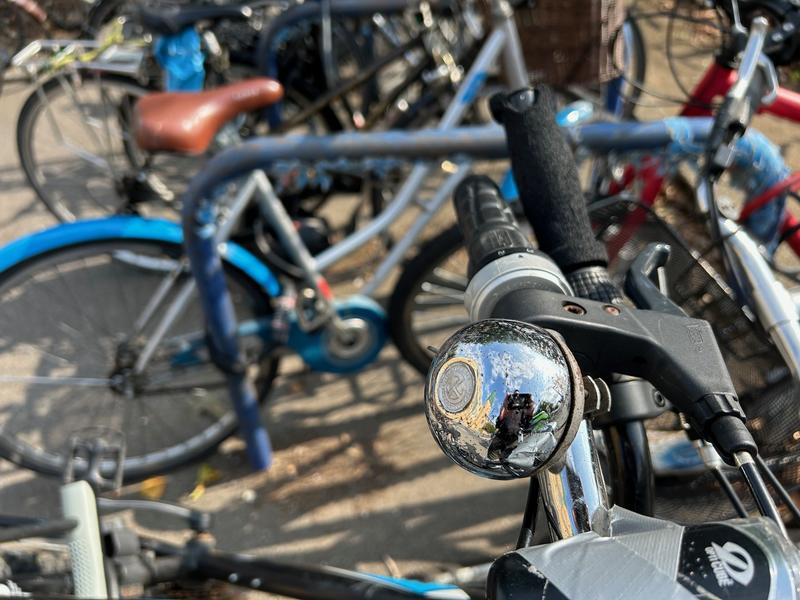
On-street cycle hangars are particularly important for people living in apartments or without access to home storage. And secure parking near mobility hubs and workplaces often determines whether people choose to ride – the risk of your bike not being there at the end of the day is not one many can afford to take.
Only by addressing the full range of rider needs does cycling become a viable and attractive option for all.
3. Community engagement early and often
Public participation, especially in planning and prioritising investments, is essential. Cities that actively consult residents on infrastructure tend to see higher uptake and less resistance.
In Bristol, for example, cycle hangars that enable six bikes to be parked in the space of one car were heavily subscribed to at just the planning stage, and faced little public resistance as the locations were proposed and voted on by Bristolians. Citizen-led initiatives also help foster lasting behavioural change.
People back what they help to build.
4. Address cultural and behavioural barriers
Even with adequate cycling infrastructure, social norms and personal habits can discourage people from making the switch.
Perceived safety risks, discomfort in bad weather, status quo bias, and deeply embedded car-centric mindsets all hinder uptake.
Campaigns, community rides, gamified apps and ambassador programmes can play a key role in shifting perceptions and normalising cycling. In Bellinzona, for example, the Bellidea and Bikecoin mobile apps reward users with points redeemable for vouchers or discounts, reinforcing cycling as a socially approved and economically rewarding practice.
Changing streets is important but changing minds is essential.
5. Build long-term capacity
Projects must be properly resourced, with long-term investment in training, evaluation and leadership.
Cities also need robust monitoring and feedback systems in order to adapt and scale successful schemes. Only with long-term investment can promising initiatives become permanent solutions.
SUMMARY
International best practice offers a clear roadmap for action: invest in connected infrastructure, provide inclusive cycling support, embed public engagement in planning, focus on encouraging behavioural change, and commit to long-term investment and leadership.
And it is important that we get this right, as cycling initiatives have the potential to not just change how we move, but transform how we feel and live.
This is an edited version for QUAD, of a longer thought piece. Thursday 7 August 2025 is Cycle to Work Day in the United Kingdom.
Dr Zakiyya Adam is Research Associate at the Transport Studies Unit within the University of Oxford’s School of Geography and the Environment.