



OFF THE SHELF: SEPTEMBER 2026
SARAH RUDEBECK
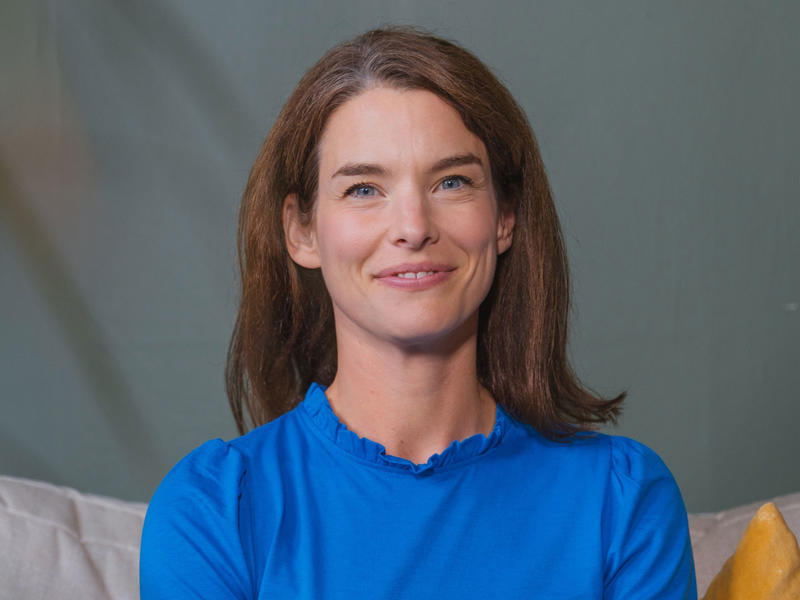
Dr Sarah Rudebeck, a Senior Clinical Psychologist in Neuropsychology in the NHS, has won a £75,000 Innovate UK Women in Innovation Award to bring an AI memory and learning tool into schools for children with special educational needs (SEND).
Sarah (New College, 2008) and her husband, Berkan Sesen (New College, 2009), founded Recallify in 2024, an app for people with ADHD, brain injury and cognitive fatigue.
Sarah’s pitch to Innovate UK was that it could potentially have wide application in the classroom, in the UK and beyond, but needed further trial and evaluation.
The coming year will see exactly that, with Sarah and her team entering a SEND classroom in a large secondary school in Surrey.
The app is meanwhile already fully live and growing rapidly in popularity, with particular growth seen already in the US.
The clue is in the name – Recallify is a play on ‘recall’, says Sarah. The app works by taking in large amounts of spoken word, then restructuring the information, via AI, into different forms to help different users with sometimes very divergent needs, ranging from memory assistance to information rehearsal and tasking.
‘This includes ADHD and dyslexia, but spreads over into brain injury. Another user group includes people who suffer from epilepsy, who may experience difficulty processing information.’
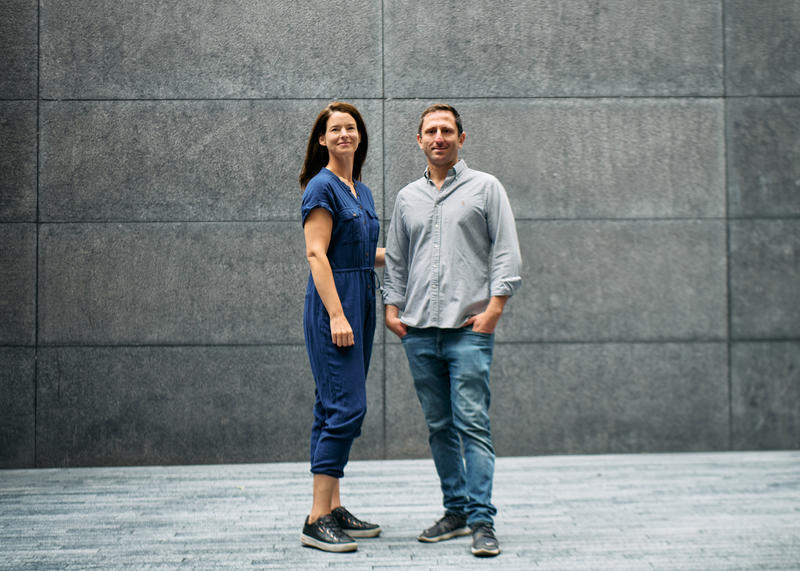
Memory, learning information and planning requirements (what to do with the information and tasking) are all accommodated in Recallify. The app is marketed under the goal of ‘making everyday life easier for people with cognitive differences’.
‘The idea for the app originally arose from my clinical practice, and the realisation that new technologies, including artificial intelligence, might allow a new approach that would help people where they have difficulty either processing information or recalling the past.’
She adds that the broad area has become a hot one for marketed online and app-based solutions including gamification, adding however that much of the sector is devoid of clinical values and highly commercial.
Recallify is not free but it arises from clinical insights underpinned by an ethical intention.
The field trial will be at Glyn School, a large co-educational secondary school in Surrey where there is set-aside provision for SEND teaching and support.
As a paediatric specialist Sarah says that she typically sees people with pretty serious brain injury, throwing in that there has been a rise in acquired brain injury (ABI) in recent years resulting from e-scooter and e-bike injuries (working note: ‘try to take a helmet with you even though it isn’t mandatory’).
Berkan Sesen was New College's MCR President 2011–12, and worked on emerging artificial intelligence techniques around lung cancer treatments. He then headed into a career in finance, becoming Head of Algorithmic Execution at UBS, subsequently coming back to his Oxford interests in the area of clinical application, co-founding Recallify with Sarah in 2024 before founding an AI consultancy in 2025.
Sarah met Berkan through New College MCR. She's full of praise for how Oxford colleges operate at the right scale to allow and encourage students to meet across very different subject interests.
Sarah’s first degree was at the University of Birmingham. She then came to Oxford and did a master’s and DPhil, spending four years actually in Oxford before shooting off to a clinical placement. ‘It was a brilliant time,’ she says, ‘interacting with people from loads of places across many subjects. I loved the unique tutorials, viewed the whole experience as an incredibly rich time in my twenties, had lots of fun and participated in several MCR plays. I also sang in the National Youth Choir of Great Britain.’
Recallify was initially backed by Bethnal Green Ventures, which is an accelerator for ‘tech for good’ ventures in East London. She says that most users of the app so far have really come through referral, word of mouth, and individual interactions.
Will we all need an app to help us remember things in an age of overload and digital over-stimulation? It’s a natural but slightly ironic topic.
Sarah notes that the broader subject of technology and how it affects our brains is a concern and a rich area of enquiry. But she says that the clinical needs addressed by Recallify sit at a remove from this area of general concern, because people using the app typically need compensatory tools due to brain damage. For the rest of us, ‘we need to think carefully about offloading our cognitive function to AI or technology more generally as we do not know the impact.’
She adds that we should be cautious about relying too much on AI, noting that she acquired enough knowledge ahead of AI becoming mainstream to spot when AI is making errors in her field, but that if you didn’t have that knowledge you wouldn’t know.
Returning to the Innovate UK Women award, Sarah was one of 61 winners chosen from a record 1,590 applicants, and the grant runs until July 2027.
The award lands as demand on England's SEND system reaches its highest recorded level. In June 2026, the Department for Education reported that over 1.8 million pupils now receive SEND support or hold an Education, Health and Care Plan. This represents more than one in five pupils in England.
Part of the appeal of the app is that it can scale quickly and provide real help to children quickly, achieving a high level of efficiency at a low level of cost and freeing up overstretched staff to teach.
move to carousel movement controls
 Pause slideshow
move to carousel content
Pause slideshow
move to carousel content
ELLA BARON
ELLA BARON

THE IMPORTANCE OF VACCINE ADVOCACY
THE IMPORTANCE OF VACCINE ADVOCACY

SILICON VALLEY CAREER TALK
SILICON VALLEY CAREER TALK

DEGREES WORTH IT AFTER ALL
DEGREES WORTH IT AFTER ALL

OFF THE SHELF: AUGUST 2026
OFF THE SHELF: AUGUST 2026

THE RISE OF BACTERIAL RESISTANCE FROM POULTRY FARMS
THE RISE OF BACTERIAL RESISTANCE FROM POULTRY FARMS
NATURAL HISTORY AT OXFORD REVAMPED
NATURAL HISTORY AT OXFORD REVAMPED

OFF THE SHELF: JULY 2026
OFF THE SHELF: JULY 2026
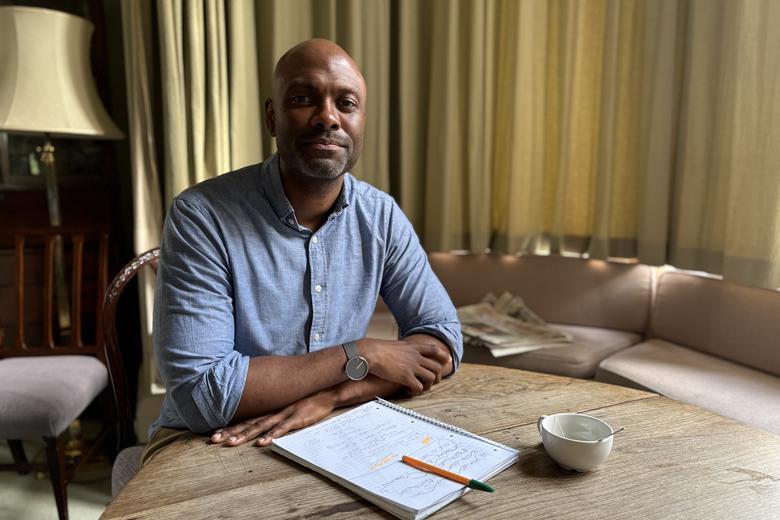
MALACHI MCINTOSH
MALACHI MCINTOSH
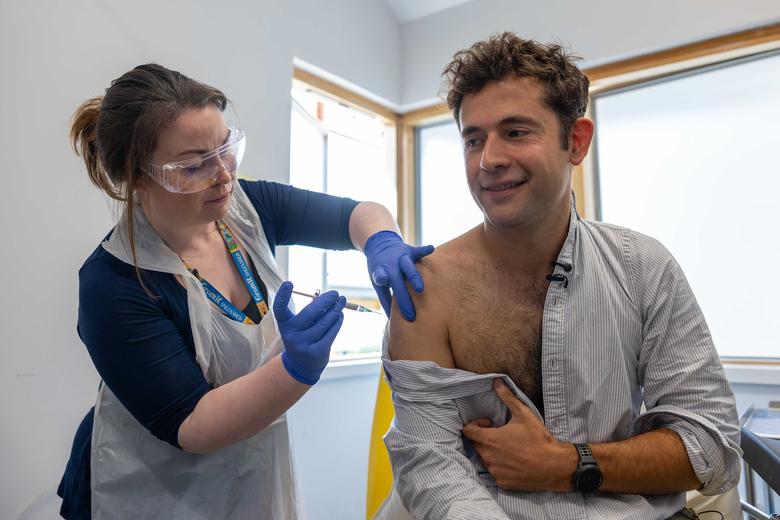
EBOLA: FIRST VACCINATION
EBOLA: FIRST VACCINATION
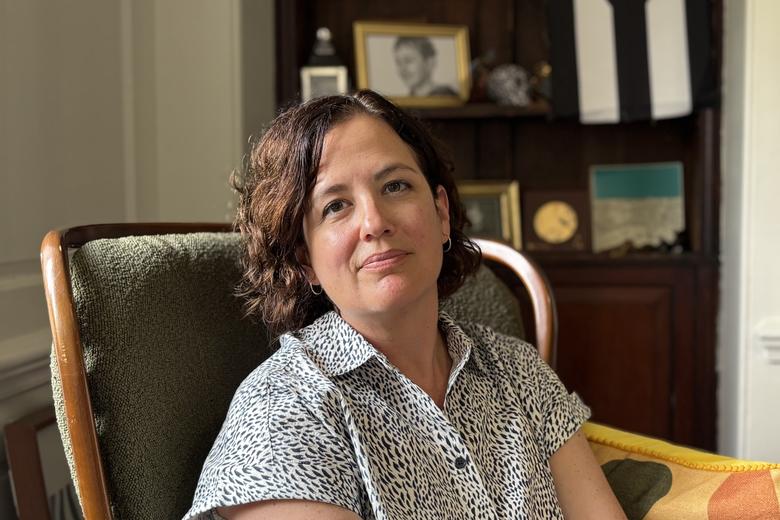
GRAPPLING WITH THE GHOSTS OF CARIBBEAN COLONIALISM
GRAPPLING WITH THE GHOSTS OF CARIBBEAN COLONIALISM
Pause slideshow

